
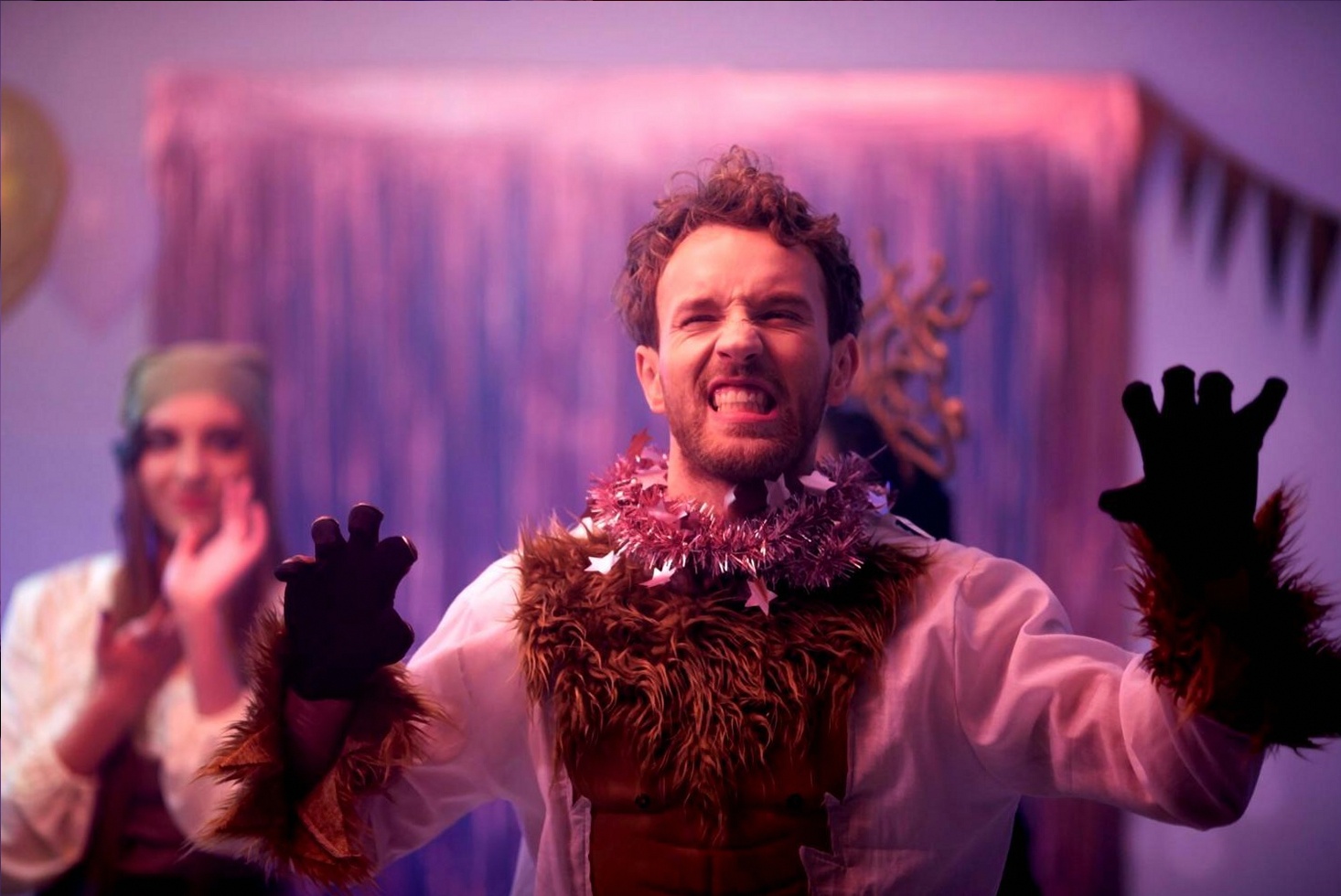
Nadia Osei was three minutes into a scene when her scene partner went completely blank.
She had been building a character, a nervous florist at a funeral, and her partner froze mid-sentence. The audience felt it. The silence stretched past uncomfortable into something almost painful. What happened next was worth studying carefully.
The moment the scene broke
Nadia did not try to rescue her partner by talking louder or faster. She stayed in character, looked at an imaginary flower arrangement, and said quietly: these lilies are not quite right, are they. That single line gave her partner something to respond to without demanding anything specific.
Her partner found his footing within seconds.
How she made the decision
In a post-show conversation, Nadia described her thinking: she noticed the silence, assessed that filling it with plot would make things worse, and chose the smallest possible action that kept the scene alive without cornering anyone. She had a framework, not a script.
Freelancers hit this exact moment during client calls, live presentations, or collaborative sessions when something unexpected collapses the plan. The instinct is to overexplain or pivot dramatically. Nadia showed that a quieter, more precise move often works better.
What the recovery actually looked like, step by step
- She identified the problem without naming it aloud
- She chose an action that was low-stakes but scene-relevant
- She delivered it without urgency or apology
- She waited, giving the other person space to re-enter
That sequence took about eight seconds. It looked effortless. It was not.