Latest News
Dispatches, updates, and observations from the world of live improvisation — structured for those who follow the craft closely.
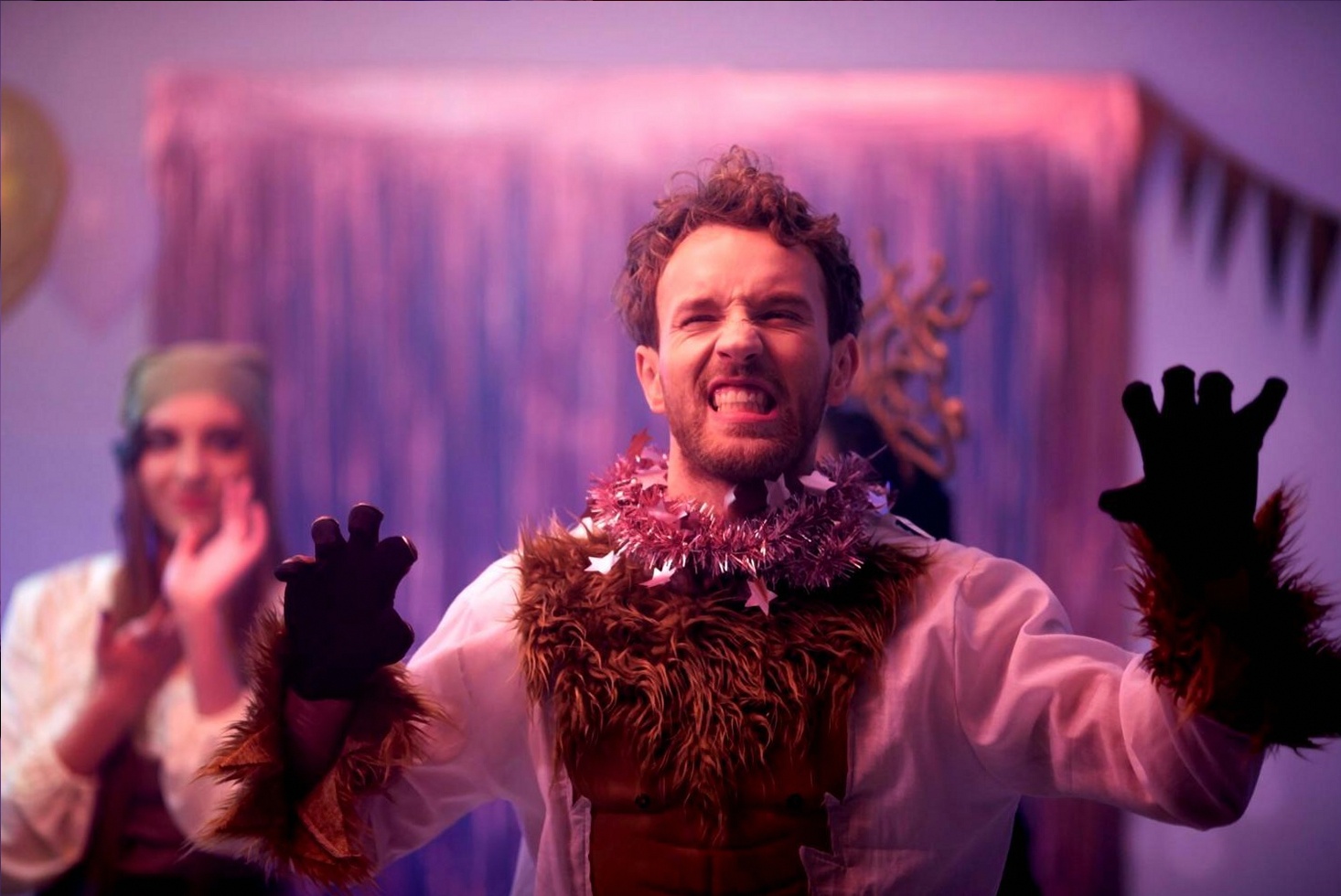
What a Freelancer Noticed Watching an Improv Troupe Fail and Recover Mid-Scene
A step-by-step look at one performer's live recovery during a collapsed improv scene, and what a freelancer can take from watching it unfold in real time.
Read article
Watching Petra Lund Improvise Taught Me More About Client Calls Than Any Course Did
A detailed breakdown of how one experienced improv performer navigated a collapsing scene, and why the decisions she made map directly onto freelance client work.
Read article
Sitting in the Audience at an Improv Night Changed How I Handle Scope Creep
An audience-level breakdown of one performer's visible decision-making during a derailed improv scene, with direct relevance to freelancers managing shifting client expectations.
Read article
One Performer Used Silence as a Tool During a Live Improv Scene and It Was Instructive
A close analysis of how improv performer Dov Harari used deliberate silence during a derailing scene, and what freelancers can learn from watching that decision play out.
Read articleImprovisation as a discipline

Improvisation in performance is not a single technique — it is a cluster of skills that include listening, spatial awareness, and rapid decision-making under pressure. Performers typically train for 3 to 5 years before their instincts become reliable enough to carry a full show without preparation.
Modulario works with practitioners at varying stages of that development. The emphasis is on building individual capacity first, then ensemble coordination — a sequence that most ensemble-focused programmes reverse.
What gets covered in each session
Sessions are structured around a single focus area per meeting — not a broad curriculum delivered in sequence. A practitioner working on scene initiation, for example, will spend the full session on that one element. This keeps feedback specific and avoids the dilution that comes from covering too much at once.
Between sessions, practitioners are given a single observation task rather than a practice drill. The task is designed to surface patterns in their own behaviour that are difficult to notice mid-performance.